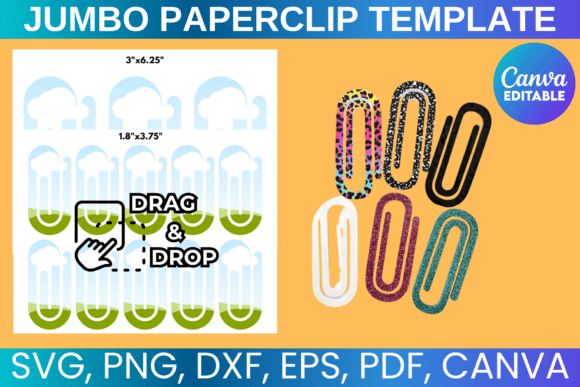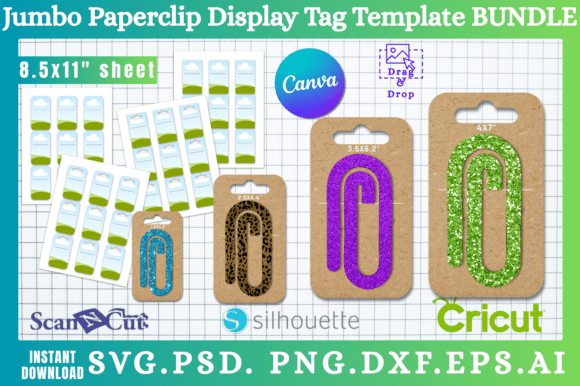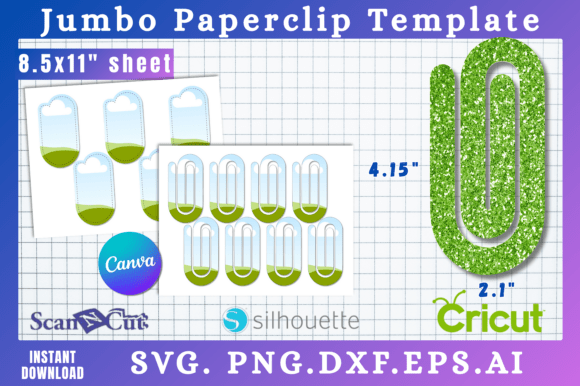
4.15x2.1 Jumbo Paperclip SVG Template
A Designer’s First Glance: Playful, Minimal, and Surprisingly Versatile
When I opened the 4.15x2.1 Jumbo Paperclip SVG Template, my first thought wasn’t “cute” or “trendy”—it was “functional with personality.” It’s clean, slightly oversized, and carries that quiet confidence of a well-proportioned shape: rounded curves, subtle taper, and just enough visual weight to hold attention without shouting. As a designer who’s stitched paperclips onto baby onesies, tote bags for indie bookshops, and embroidered patches for teacher appreciation kits, I appreciate how this design avoids cartoonish exaggeration while still feeling friendly and handmade. It reads as modern craft—not clipart.
Where This Design Actually Shines in Real Embroidery Projects
I tested the 4.15x2.1 Jumbo Paperclip SVG Template on a midweight cotton canvas tote bag—my go-to for small-batch boutique orders. Stitched at 4.15” wide with a satin stitch outline and light fill stitch interior, it landed exactly where I hoped: polished but approachable. Customers loved the tactile contrast—the smooth satin edge against the soft texture of the fabric—and several asked if it came in a set (a strong signal for future product expansion). I’ve also used it as a standalone motif on the chest of organic cotton sweatshirts for a local coffee roaster’s staff line—it scaled beautifully and read clearly even from across a café.
For Etsy sellers and craft fair vendors, this template works especially well as a customizable anchor. Add a tiny monogram inside the curve, stitch it in metallic thread for holiday kitchen towels, or pair it with a short phrase like “Hold On” or “Keep Clipped” for mental wellness-themed gifts. Its simplicity makes it adaptable across baby embroidery (think: onesie accents), nursery decor (framed hoop art), and even subtle branding on aprons for small-batch bakeries.
Real-World Considerations Before You Stitch
Don’t assume “jumbo” means “foolproof.” At 4.15” wide, the 4.15x2.1 Jumbo Paperclip SVG Template fits comfortably in a 5x7 hoop—but will feel tight in anything smaller. If you’re embroidering on curved surfaces like caps or structured hats, test placement first: the elongated shape can distort near seams or crowns without proper hooping and stabilizer support.
Texture matters. On terry cloth tea towels or loop-back fleece, the fine curves may blur unless you reduce stitch density or add a tear-away + cut-away stabilizer combo. And on dark fabrics? That smooth outline needs high-contrast thread—navy on black won’t pop. I always run a black-and-white mockup before finalizing thread colors, especially since this design relies on clean edges, not dense fills.
Also worth noting: while the SVG format is ideal for Canva users building printable mockups or digital product previews, remember that an SVG isn’t a ready-to-stitch embroidery file. You’ll need to convert it properly—or confirm whether the seller provides machine embroidery files (DST, PES, etc.) alongside the SVG. Don’t skip that step if your goal is commercial embroidery or client work.
What This Design Adds (and Doesn’t Add) to Your Finished Product
This isn’t a flashy statement piece—it’s a quiet value-builder. When stitched cleanly, the 4.15x2.1 Jumbo Paperclip SVG Template elevates a plain tote into something that feels intentionally designed, not mass-produced. Buyers notice that difference. It signals care, consistency, and brand thoughtfulness—especially when repeated across a shop’s packaging, tags, or social media graphics.
But it won’t carry weak execution. Poorly stabilized stitching on thin fabric? The curves will pucker and lose definition. Overly dense fill stitch on stretchy jersey? It’ll warp the neckline of a t-shirt. So while the design itself is forgiving in concept, its success hinges on solid embroidery fundamentals—not just aesthetics.
Practical Notes Every Embroidery Designer Should Run Through
- Test on scrap fabric first—especially if using textured, dark, or stretchy materials.
- Confirm hoop size compatibility: 4.15” width means it’s best suited for 5x7 or larger hoops.
- Review stitch density in your embroidery software—lighter fills often read better on apparel than heavy ones.
- Inspect corners and curves in digitized form: are sharp transitions smoothed? Are jump stitches minimized?
- Use proper stabilizer: medium-weight cut-away for knits, tear-away for stable wovens, and fusible + tear-away for lightweight linens.
- Check licensing before selling finished items or digital products—this is critical for Etsy sellers and craft businesses.
- Compare light/dark background mockups to assess visibility and contrast before final thread selection.
Final Thought: A Thoughtful Tool, Not a Trendy Gimmick
The 4.15x2.1 Jumbo Paperclip SVG Template isn’t going to replace your best-selling floral monogram—but it might become your most quietly reliable design asset. It bridges personalization and professionalism, minimalism and charm, digital flexibility and real-world stitchability. For makers who value clarity over clutter, and craftsmanship over cliché, it’s a smart addition to your design assets library. Just remember: great embroidery starts long before the needle drops. Read the specs, test the setup, and let the shape speak for itself—clean, confident, and quietly memorable.