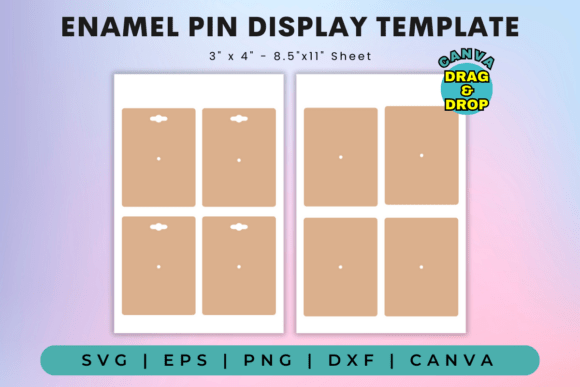
Enamel Pin Display Card Template
A Designer’s First Glance: Clean, Flexible, and Quietly Professional
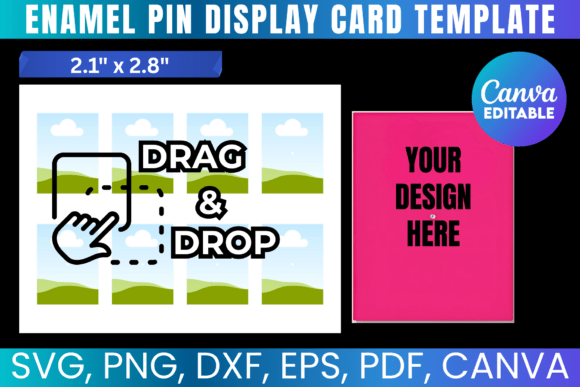
When I opened the Enamel Pin Display Card Template, my first thought wasn’t “cute” or “trendy”—it was “usable.” As someone who’s stitched hundreds of custom embroidery projects—from baby onesies with tiny floral monograms to boutique aprons with layered satin-stitch logos—I value templates that respect the craft, not just the click. This one does. The layout is centered, uncluttered, and built around breathing room: a generous border, balanced typography zones, and a clear focal area for your pin or keychain. It doesn’t shout. It invites attention—exactly how a well-made handmade product should.
Where It Fits Naturally in Real Embroidery Work
I recently used a version of this template (customized in Canva) as part of a holiday gift set: three embroidered tea towels, each paired with a matching enamel pin displayed on its own card. The Enamel Pin Display Card Template held up beautifully—not as a standalone item, but as a thoughtful extension of the stitched piece. It worked because the design didn’t compete with the embroidery; it framed it. That’s its real strength.
This template shines when you’re building cohesive, tactile experiences: an Etsy listing for personalized embroidered patches, a craft fair booth where customers hold both the finished patch and its display card, or a small shop’s branded gift set featuring embroidered sweatshirts and matching pins. It also supports digital product sellers—using the PNG or SVG files to create clean printable mockups for social media or product pages. Because it’s editable, you can match font weight to your brand’s voice, adjust spacing for different pin sizes, or even repurpose it for keychain displays without visual whiplash.
What Holds Up—and What Needs Extra Care
The simplicity of the Enamel Pin Display Card Template means it’s forgiving across many applications—but not all. On textured fabrics like terry cloth tea towels or looped kitchen linens, keep the printed card separate from stitching. Don’t try to embroider *onto* the card itself unless you’re using a specialty substrate (and even then, test first). For embroidered patches meant to be mounted *on* the card? Yes—that’s ideal. But avoid dense fill-stitch areas near the card’s edge if you plan to cut or fold it later; tight stitch density can warp thin cardstock.
Small hoop sizes? Not a concern here—this isn’t a machine embroidery design. It’s a graphics asset. But that distinction matters: if you’re planning to turn elements of the template into actual embroidery files (e.g., digitizing the border as a satin-stitch frame), remember that fine lines, tiny serif lettering, or intricate corner flourishes won’t translate cleanly below 2.5 inches. Stick to bold, open fonts and simplified shapes for those conversions.
Stretchy fabric, curved surfaces like caps, or dark backgrounds? Again—this template isn’t stitched *onto* those. But it *accompanies* them. So when photographing your embroidered tote bag or baby onesie, use the card as a prop. Its clean white (or light-neutral) base makes thread colors pop in photos, builds perceived value, and subtly signals care—even before the customer touches the item.
Why It Elevates Your Handmade Product—Without Saying a Word
In my experience, the difference between “nice” and “worth saving” often comes down to presentation—and presentation starts long before shipping. The Enamel Pin Display Card Template quietly reinforces professionalism. When a customer receives a hand-stitched pillow cover with its pin displayed on this card, they don’t just see a product—they see intention. That affects trust. It tells them you treat your work like a finished product, not a draft.
For Etsy sellers and craft business owners, that impression multiplies. A consistent card design across listings builds brand recognition. Use the same layout for holiday pins, wedding favors, and baby milestone sets—and buyers begin to associate that clean framing with your name. And because it’s editable in Canva, you’re not locked into one look. Swap colors to match seasonal collections, adjust sizing for mini pins versus oversized enamel art, or add a subtle watermark for wholesale partners—all without redesigning from scratch.
Practical Notes Every Embroidery Designer Should Keep Handy
- Always test print the final card on your intended stock—glossy vs. matte, thick vs. lightweight—to confirm color fidelity and fold integrity.
- If pairing with embroidered items, check thread color contrast between your stitching and the card background. A navy satin-stitch logo reads differently on ivory vs. charcoal cardstock.
- Review stitch density and stabilizer choice for any *embroidered elements* you might add alongside the card—not the template itself, but supporting pieces like a small embroidered tag or border.
- Use black-and-white mockups to verify legibility, especially if adding custom text or monograms to the template.
- Compare how the card looks against light *and* dark fabric backgrounds—critical for photography and packaging consistency.
- Confirm licensing terms before selling finished products that include the template. Since it’s labeled as a graphics asset, commercial use is likely permitted—but always verify.
- Remember: this is a display tool, not a digitized embroidery file. Don’t mistake its SVG/PNG versatility for machine-ready stitch data.
Final Thought: Less Is More—Especially When It’s Handmade
After years of reviewing embroidery files, applique designs, and digital assets, I’ve learned that the most effective tools don’t distract—they support. The Enamel Pin Display Card Template does exactly that. It doesn’t try to be the star. It gives your embroidery space to breathe, your brand room to land, and your customer a reason to pause, appreciate, and remember. Whether you’re prepping for a holiday craft fair, launching a new line of embroidered nursery decor, or simply want your Etsy unboxing to feel special—the right display card isn’t decoration. It’s quiet confidence, stitched into paper.