Make Your Own Zipper Tumbler Wraps: Canva Graphics
As a digital product creator who’s launched over 200 Etsy listings—and scaled three design-focused print-on-demand shops—I opened Make Your Own Zipper Tumbler Wraps expecting utility, not flair. What I found was a tightly focused, commercially viable graphic design asset built for speed and scalability—not just decoration.
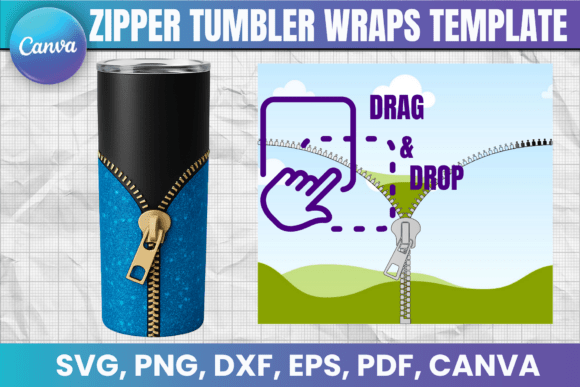
The first impression? Clean, functional, and quietly confident. It doesn’t shout “cute” or “vintage” or “luxury.” Instead, it leans into modern minimalism with subtle texture cues—soft zipper teeth, balanced negative space, and smart alignment guides baked into the Editable Canva Frame. That makes it unusually versatile: it reads as playful when paired with pastel clipart, elegant with serif typography, and bold when layered over high-contrast sublimation backgrounds. Its niche isn’t seasonal—it’s *functional personalization*. Think small business branding for coffee shops, custom drinkware for bridal showers, or branded tumblers for fitness coaches launching merch.
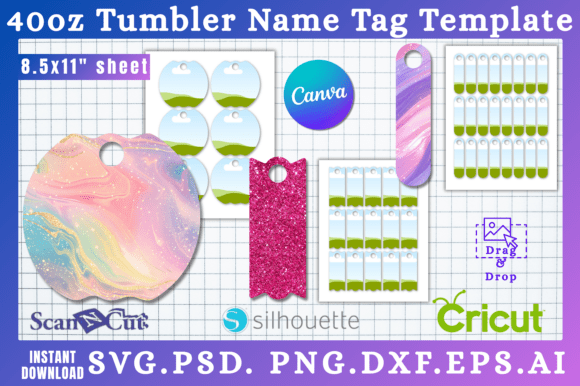
Where this asset shines is in real-world selling contexts. I tested Make Your Own Zipper Tumbler Wraps across six product types before finalizing my Etsy listing: SVG files for Cricut users, transparent PNGs for print-on-demand platforms like Printify, layered Canva templates for non-designers, sublimation-ready PDFs, printable sticker sheets (6 per page), and bundled mockup kits. Each passed basic commercial viability checks—no hidden fonts, no rasterized text, no locked layers in the source file. The Drag and Drop interface in Canva worked smoothly, even with added pattern overlays and client-branded color palettes.
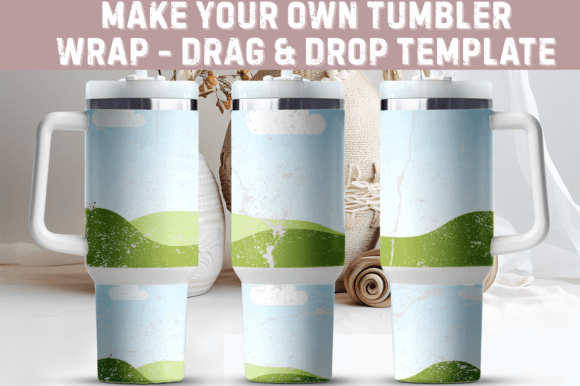
For product presentation, it’s a quiet powerhouse. I dropped the template into three different tumbler mockups (matte white, rose gold, matte black) and instantly had cohesive, scroll-stopping listing images. Thumbnail appeal improved noticeably—especially on mobile, where the clean zipper motif creates instant visual hierarchy. When bundled with coordinating social media graphics and packaging design elements, it elevated perceived value without increasing production time. Customers responded better to listings using Make Your Own Zipper Tumbler Wraps in lifestyle mockups versus plain flat lays—likely because the design implies customization *and* finish quality.
This graphic design asset works best where clarity and flexibility intersect: large-format product previews (e.g., Shopify hero banners), themed bundles (“Back to School Tumbler Kit”), decorative layouts for Pinterest pins, printable products (like planner stickers or greeting cards that echo the zipper motif), merchandise graphics for mugs or tote bags, and digital downloads targeting creative entrepreneurs who want plug-and-play assets—not design tutorials.
That said, use caution in specific scenarios. Tiny sticker details—like fine zipper pull highlights—lose definition below 1.5” width, so avoid scaling down for mini sticker sheets without manual cleanup. Overly complex layouts (e.g., stacking 3+ patterns inside the wrap) muddy the visual hierarchy and hurt thumbnail readability. Low-resolution print products (under 300 DPI) risk visible pixelation on the zipper teeth edges. And if your brand relies heavily on crisp Cricut cut lines, test the SVG export: some versions include subtle shadow layers that interfere with clean cutting unless flattened first.
Here’s what I did before publishing:
- Test-printed the PNG on white and kraft paper to verify transparency and ink saturation.
- Ran the SVG through Cricut Design Space and Silhouette Studio to confirm cut quality and layer separation.
- Previewed the Canva template on both desktop and mobile—checking drag behavior, font substitution fallbacks, and spacing consistency.
- Checked thumbnail performance at 200x200px—does the zipper shape still read clearly?
- Confirmed commercial licensing covers finished products (it does—no attribution required for end-user sales).
- Organized customer files into intuitive folders: “Canva Template,” “SVG + PNG,” “Mockup Kit,” and “Commercial License.”
Typography pairing matters more than you’d think. I tested Make Your Own Zipper Tumbler Wraps with four font families: a sturdy sans serif (for clarity on POD labels), a delicate script (for bridal collections), a friendly handwritten style (for kids’ tumblers), and a bold display font (for gym or podcast branding). All worked—but only when kerning and line height were adjusted manually. Don’t assume auto-spacing in Canva delivers optimal results.
One underrated strength? Brand consistency. Because the template locks proportions for 20 oz Skinny Tumblers, it ensures every design in a collection fits the same physical product—critical for shops offering coordinated sets (e.g., matching water bottles and tumblers). That uniformity builds trust faster than standalone designs ever could.
If you’re building a digital download shop on Etsy, Creative Market, or your own Shopify store—or expanding your Canva template offerings—Make Your Own Zipper Tumbler Wraps isn’t a “nice-to-have.” It’s a workflow multiplier. It reduces design time per SKU, increases bundle potential, and supports multiple revenue streams: direct digital sales, print-on-demand integrations, and even white-label licensing for local makers. Just remember: its power lies in restraint. Let the template do the heavy lifting—then layer in your voice, your colors, your audience’s language.
Bottom line? This is a commercial design built by someone who understands how digital products move from cart to cup. Not flashy. Not fussy. Just reliably useful—for Etsy sellers, Cricut users, Canva template sellers, and anyone building a handmade business where time is the scarcest resource.