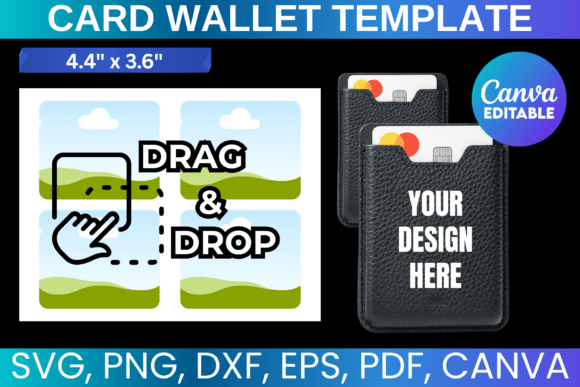
Card Wallet Template, Wallet SVG
A Designer’s First Look: Clean, Minimal, and Purpose-Driven
When I opened Card Wallet Template, Wallet SVG, my first thought wasn’t “cute” or “trendy”—it was “this has intention.” The shape is lean and functional: a slim, slightly tapered rectangle with subtle rounded corners and clean internal divisions. No ornate borders, no decorative flourishes—just structure. That tells me this isn’t meant for whimsical baby onesies or boho pillow covers. It’s built for clarity, portability, and quiet sophistication. Think boutique gift cards tucked into handmade aprons, monogrammed card pockets sewn onto leather-look tote bags, or minimalist embroidered patches for small business branding.
Where It Shines in Real Embroidery Projects
I recently used Card Wallet Template, Wallet SVG as the centerpiece of a custom embroidered linen tea towel set for a local café launch. We stitched it in soft charcoal thread on ivory linen—no appliqué, just precise satin stitch outlines and light fill stitch for the interior lines. The result? Crisp, legible, and instantly recognizable as a functional object—not just decoration. That’s its strength: it reads as *real*. Customers didn’t ask “What is that?” They said, “Oh—you made a tiny wallet!” That kind of intuitive recognition builds trust, especially for Etsy sellers or craft fair vendors selling personalized gifts.
It works beautifully on stable, medium-weight fabrics like cotton twill (for aprons), brushed poly-cotton (for sweatshirt pockets), and even lightweight canvas (for patch backing). On a structured cap front? Yes—if you keep the hoop size modest and use cutaway + tear-away stabilizer combo. As a machine embroidery design for baby items? Use caution: avoid dense fill areas near seams or elastic edges where stitching could stiffen delicate fabric. But for a simple running-stitch outline on a muslin baby blanket corner? Perfect—it adds subtle texture without bulk.
Where to Pause—and Test First
This isn’t a one-size-fits-all embroidery file. Its clean geometry hides real-world embroidery quirks. Those sharp inner corners? They’ll stall your needle if your machine doesn’t handle tight turns well—or if your stabilizer shifts. Tiny interior dividers? They’re elegant on screen, but under thread, they can blur together on textured fabrics like terry cloth or heavy denim unless you reduce stitch density or widen spacing manually.
On dark fabric? The design relies on contrast, not color pop—so test thread colors in both black and white mockups before finalizing. On stretchy knits (like ribbed sweatshirt cuffs)? Add lightweight fusible stabilizer *under* the fabric—not just behind—to prevent puckering along the straight edges. And never skip the scrap test: run Card Wallet Template, Wallet SVG on the exact fabric + stabilizer combo you’ll use, then wash and dry it once. Does the shape hold? Do corners stay crisp? Does the outline soften too much after laundering? That’s your real quality check.
Practical Notes Every Embroidery Designer Should Keep Handy
- Always confirm hoop size compatibility—this design fits comfortably in a 4x4 hoop, but pushing it into a 3x3 means sacrificing detail clarity, especially in the pocket divisions.
- Review stitch density before scaling. Scaling up increases fill area; scaling down risks losing definition in thin lines. If you’re using it for commercial embroidery on apparel, audit density to avoid thread breakage or fabric distortion.
- Inspect small details at actual stitch size—zoom in on your embroidery software. Are those 1mm interior lines actually stitchable on your machine? Or do they need manual adjustment?
- Use proper stabilizer: lightweight cutaway for stable wovens; hybrid (cutaway + tear-away) for knits or curved surfaces like caps.
- Check licensing terms before selling finished products or bundling Card Wallet Template, Wallet SVG into digital embroidery kits. Since it’s listed under Graphics in Canva, verify whether commercial redistribution or resale of stitched items is permitted.
How It Elevates Your Handmade Product—and Your Brand
Unlike generic floral motifs or overused script fonts, Card Wallet Template, Wallet SVG carries quiet narrative weight. When stitched onto a linen market bag, it suggests thoughtfulness—not just utility, but curation. For a small shop owner launching branded merchandise, it becomes a subtle signature: a visual shorthand for “we make things that hold value.” That’s powerful for buyer engagement. Customers remember objects that feel intentional, not decorative.
For holiday embroidery or wedding gifts? Pair it with a single initial or date in clean sans-serif thread. It transforms from template to heirloom—especially when stitched on durable, wash-friendly fabric with quality thread. And because it avoids fussy details, it scales gracefully across product types: a stitched version on a kitchen towel, a printed version in a Canva mockup for your Etsy listing, and the same vector-based Wallet SVG used for sublimation on polyester card sleeves. That cross-format versatility is rare—and valuable—for creative entrepreneurs managing multiple output channels.
Final Thought: A Tool, Not a Trend
Card Wallet Template, Wallet SVG won’t go viral on Pinterest—but it will earn repeat orders from customers who appreciate precision, purpose, and polish. It’s the kind of design that disappears into the product while elevating it: unobtrusive, reliable, and quietly confident. Whether you’re an embroidery designer prepping client work, an Etsy seller building cohesive product lines, or a craft business owner curating meaningful handmade goods, this isn’t just another digital embroidery file. It’s a thoughtful starting point—one that respects both the maker’s time and the buyer’s eye.